
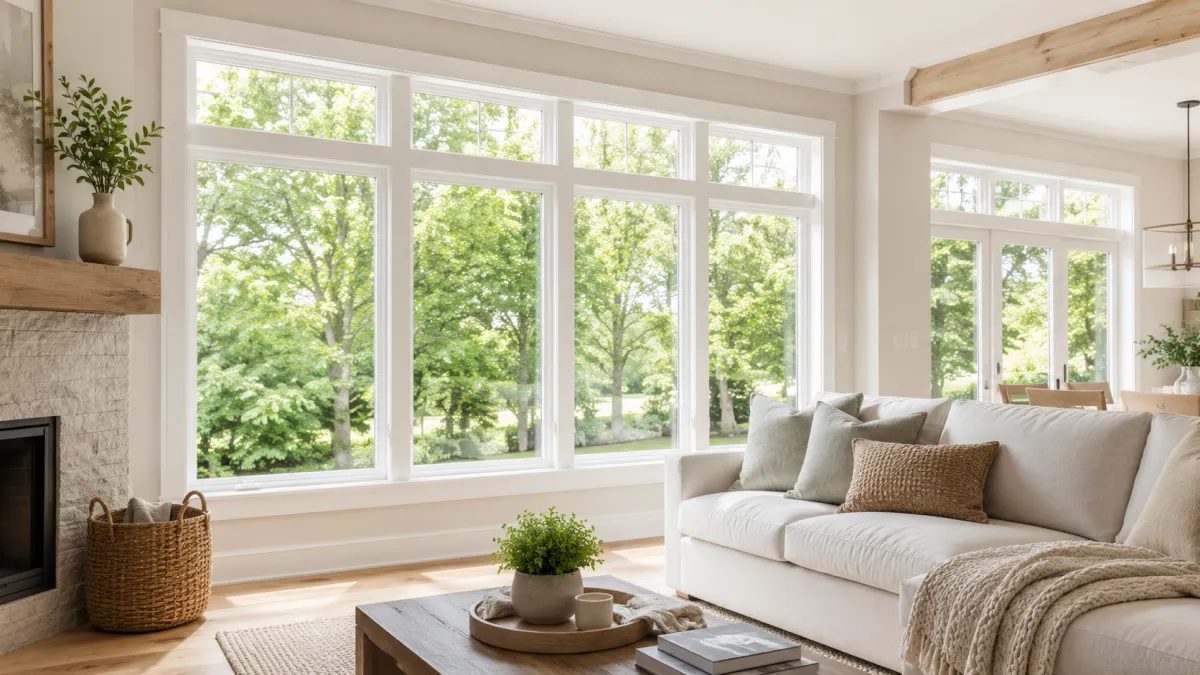
5 Signs You Might Need New Windows
If you've been searching for signs you need new windows, chances are you've already noticed one or two of these without quite naming them. Windows rarely fail all at once — they wear down slowly, and most homeowners only start paying attention once two or three problems show up together. This guide walks through five signs worth watching for, what typically causes each one, and how to tell whether repair is realistic or replacement makes more sense, with a few notes on how our humid Mississippi weather plays into the picture.
1. You Feel a Draft Near the Frame
Hold your hand near the edge of a closed window on a breezy day. If you feel air moving, the seal around that window has likely broken down. Drafty windows aren't just uncomfortable — they usually point to weatherstripping that's worn out, a frame that's shifted slightly over the years, or gaps that have opened up where none used to exist. A draft is often the first thing people notice because it shows up as discomfort: a cold spot in a favorite chair, or a room that never quite holds its temperature the way the rest of the house does.
2. The Sashes Stick or Are Hard to Open
A window that used to glide open with one hand shouldn't suddenly take two hands and some effort. A few things usually cause this. Wood-framed windows can swell when humidity gets into the material, which is common here in Mississippi during the summer months. Dirt and pollen build up in the tracks over the years. Weatherstripping compresses and creates extra friction. On older double-hung windows, the balance system that holds the sash in place can wear out, making the window feel heavier than it should. If a window is hard enough to operate that you've stopped opening it, that is worth a closer look. It may also create a safety concern when the window is intended to serve as an emergency exit.
3. Fog or Condensation Between the Glass Panes
Most windows installed in the last few decades use two or three panes of glass with a sealed layer of gas in between for insulation. When that seal fails, moisture gets into the space between the panes and creates a foggy, cloudy look that won't wipe away, because it's trapped inside the glass, not sitting on the surface. Once that seal fails, it typically is not repaired by resealing the existing unit in place. Some companies can replace just the sealed glass unit inside the existing frame, which may cost less than replacing the whole window — worth asking about if the frame itself is still in good shape. If the frame has other issues too, full replacement is usually the more practical option.
4. Visible Wear on Frames, Sills, or Trim
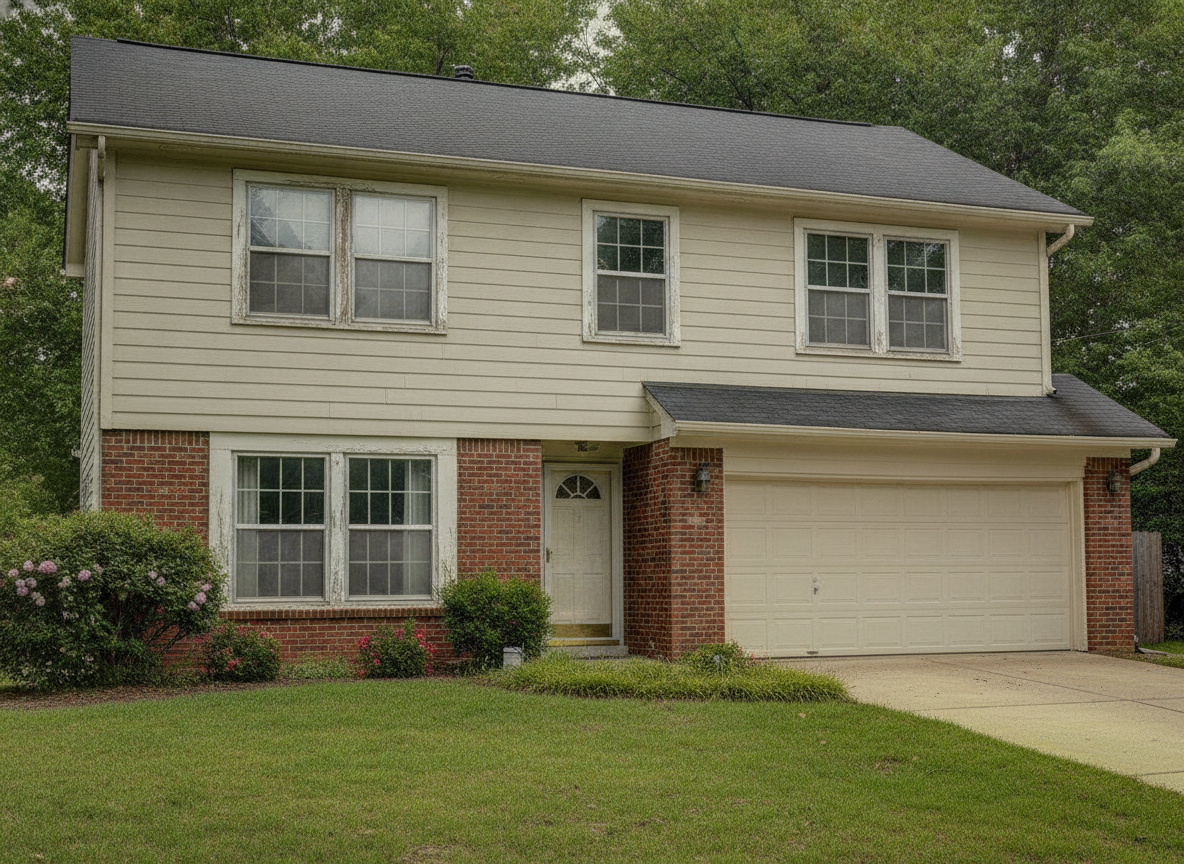
Walk around the outside of your home and look closely at the window frames, sills, and surrounding trim. Cracked or peeling paint, soft or discolored wood, and gaps where caulk has pulled away from the frame are signs that moisture has been getting in longer than it should. This kind of wear tends to show up first on the sides of the house that get the most sun and rain. If you're already noticing peeling paint or gaps around trim, it's often worth having exterior painting services or siding looked at in the same visit, since window, trim, and siding issues frequently overlap on older homes. Damaged window frames left unaddressed can eventually let moisture reach framing that's more expensive to repair than the window itself.
5. Locks, Latches, or Hardware That No Longer Line Up
A window that won't latch snugly, won't stay propped open, or has a lock that doesn't quite catch is telling you the hardware has reached the end of its useful life. Sometimes that's a simple hardware swap. But when it shows up alongside a couple of the other signs above, it's usually part of a bigger pattern: a window aging out as a whole system rather than one part wearing out on its own. Since window hardware affects both comfort and home security, it's worth having someone take a real look rather than working around it indefinitely.
Repair or Replace? How to Tell the Difference
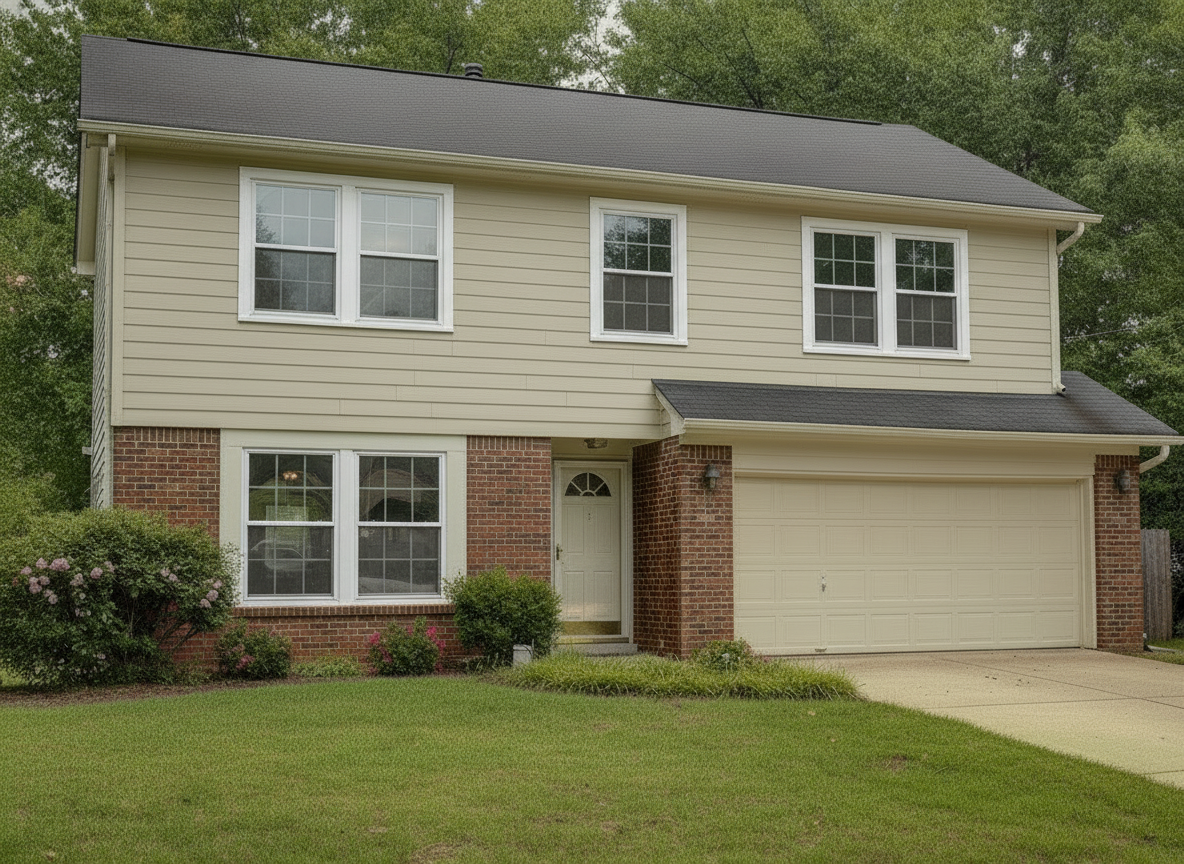
Not every issue on this list means you need a full replacement right away. A single failed seal on an otherwise solid window, a rusty latch, or dried out weatherstripping can often be repaired without much expense. Replacement starts to make more sense once you're dealing with several of these signs on the same window, when the frame itself is soft or damaged, or when a window is old enough that parts are hard to source. How quickly these problems appear depends heavily on the window material, installation quality, maintenance, and how much sun and weather that side of the house receives. If you're not sure which category your windows fall into, a quick in-person look is usually more useful than guessing from a list.
Window Wear in Starkville and the Golden Triangle
Mississippi summers bring a mix of heat, humidity, and sudden storms that are tougher on windows than a lot of homeowners realize. Humidity swells wood frames and puts extra strain on seals. Summer storms and wind-driven rain test weatherstripping and caulking around the frame. Long stretches of direct sun fade and dry out exterior trim and paint faster than in milder climates. None of this means every window problem in Starkville, Columbus, or West Point is weather-related — plenty of window wear is just normal aging — but the climate here does tend to speed things along, especially on windows facing south or west.
What to Expect When You Plan a Window Replacement
If you're getting to the point where replacement makes sense, the process usually starts with someone looking at each window individually rather than assuming they all need the same treatment. Some windows on a home might only need attention now, while others can reasonably wait. Scheduling matters too. Window installation can often be planned during different seasons, but the installer should account for current weather, manufacturer requirements, and the specific sealants and materials being used. That is a practical timing question to discuss before the work begins. A good plan accounts for your budget, which windows are the highest priority, and how the work fits around your household's schedule.
Frequently Asked Questions
Can foggy double-pane windows be repaired?
Once the seal between the panes fails, the fogging itself can't be wiped away or reversed. In some cases, just the sealed glass unit inside the frame can be replaced instead of the whole window, which may cost less if the frame is otherwise in good shape.
Why are my windows hard to open?
The most common causes are swollen wood frames from humidity, dirt or debris built up in the tracks, worn weatherstripping, or a worn-out balance system on older double-hung windows. Paint that's sealed the sash shut is also a common, easy-to-spot cause.
Should I replace all my windows at once?
Not necessarily. Many homeowners replace windows in phases, prioritizing the ones showing the most wear or affecting the rooms they use most. It comes down to budget and how urgent the issues are on each window.
How long does residential window replacement usually take?
It depends on the number of windows, the type of installation, and the condition of the existing frames. A contractor can give you a realistic timeline once they've seen the specific windows involved.
A Closer Look Is Usually the Next Step
If a few of these signs sound familiar, it doesn't mean you need to decide anything today. It usually just means it's worth having someone take a closer look at what's actually going on with your windows before deciding what to do next. If you're noticing drafts, foggy glass, sticking windows, or visible wear around the frames, Cornerstone Remodeling is available to help you look at your options. We provide free estimates for homeowners in Starkville, Columbus, West Point, and the surrounding Golden Triangle area, with window replacement plans sized to fit the home rather than a one-size-fits-all package. Call or text 662-242-3805, or visit cornerstoneremodelingpros.com/contact to get started.